
22 August 2026 · Liam Harper
Build Tech Skills Fast in Our Dynamic Programming Environment.
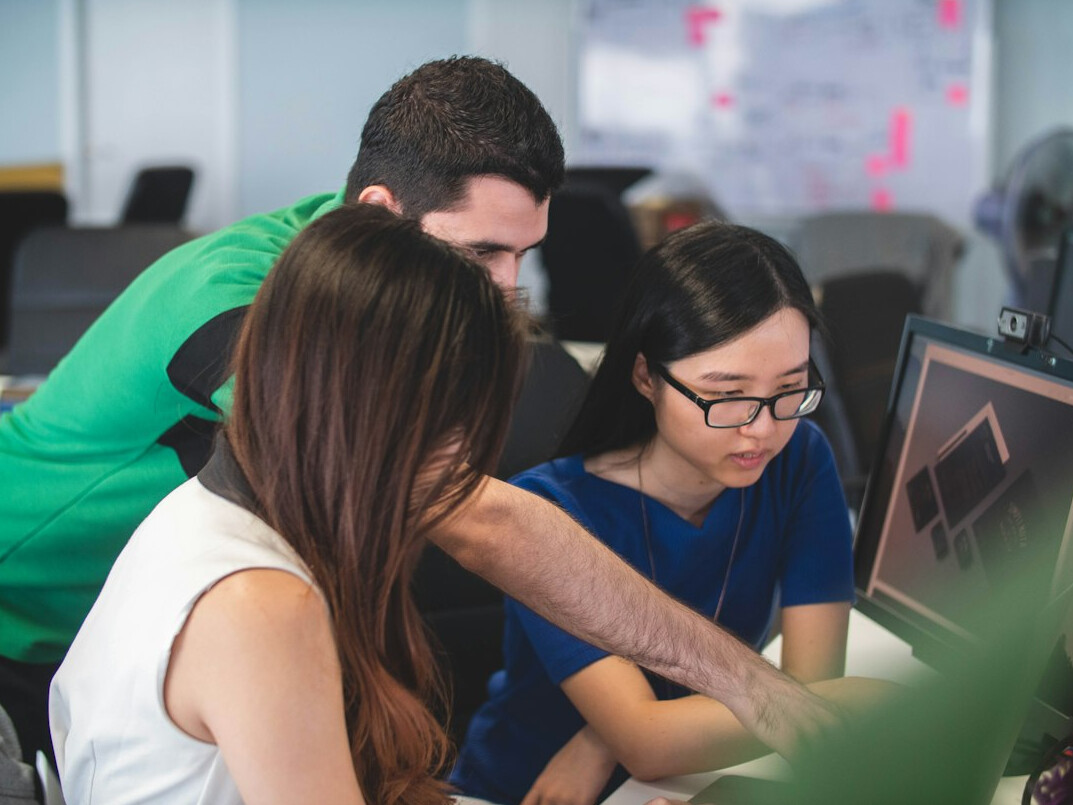
Learning to code can feel overwhelming at first, especially if you're juggling a busy schedule or coming from a non-technical background. At coursemixel we focus on creating an environment where students pick up practical programming abilities faster than they ever thought possible. Our courses emphasize real-world projects rather than endless theory, so you start building things right away.
Why a Dynamic Setup Makes All the Difference
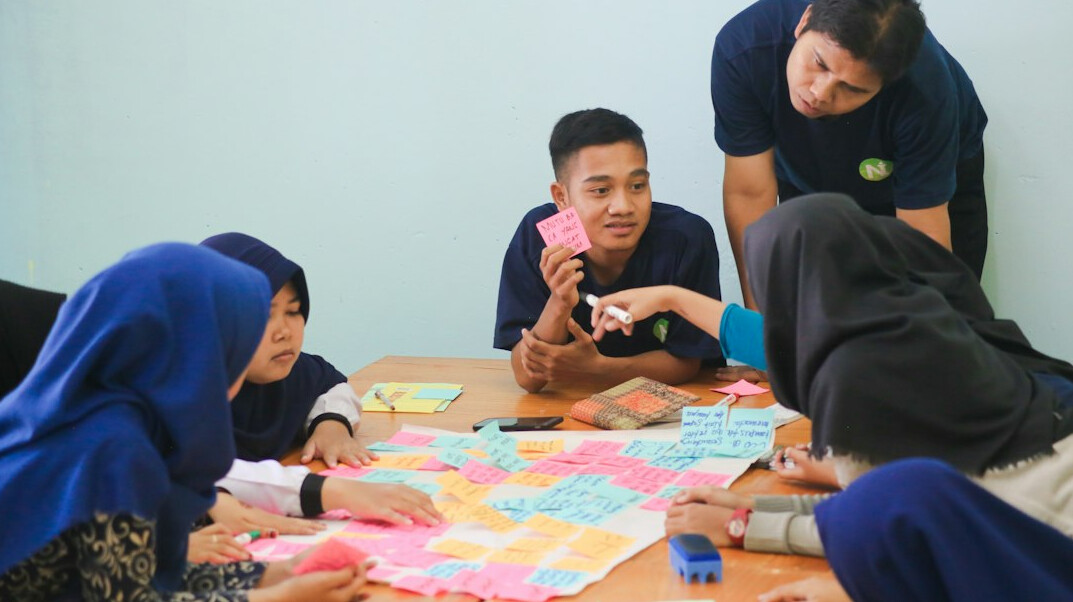
Traditional classrooms often leave people feeling stuck with abstract concepts that never quite click. Our approach flips that by mixing live coding sessions with immediate feedback from instructors who have industry experience. Students work in small groups on apps and tools that solve actual problems, which keeps motivation high and learning efficient.
One thing that stands out is how we weave English language practice into every lesson. Since all instruction happens in English, you improve both your coding vocabulary and your ability to explain technical ideas clearly. This dual focus prepares you for international teams or freelance work without extra effort.
Hands-On Projects That Stick
Instead of rote memorization we guide learners through building a portfolio from day one. Early weeks might involve simple scripts that automate daily tasks, while later modules tackle full web applications with databases and user interfaces. The key is iteration: you write code, test it, receive peer reviews, and refine it all within the same week.
- Interactive debugging workshops where mistakes become teaching moments
- Weekly challenges that mirror real startup environments
- Access to shared code repositories for collaborative learning

Community Support That Keeps You Going
Progress accelerates when you are not learning in isolation. Our online and in-person cohorts create a network of peers who celebrate wins and troubleshoot roadblocks together. Many graduates mention that the friendships formed during these programs turned into long-term professional connections.
Switching to a dynamic environment changed everything for me. I went from copying tutorials to actually understanding how systems fit together in just a few months.
Instructors check in regularly through one-on-one sessions, but the real engine is the shared energy in the group. Everyone brings different strengths, whether it's design sense or logical thinking, and that mix speeds up skill development for the whole cohort.
Measuring Real Progress
We track growth through completed projects and code reviews instead of timed exams. By the end of a typical twelve-week track students have three or four polished pieces they can show employers. Feedback focuses on clean code practices and problem-solving approaches that transfer across languages and frameworks.
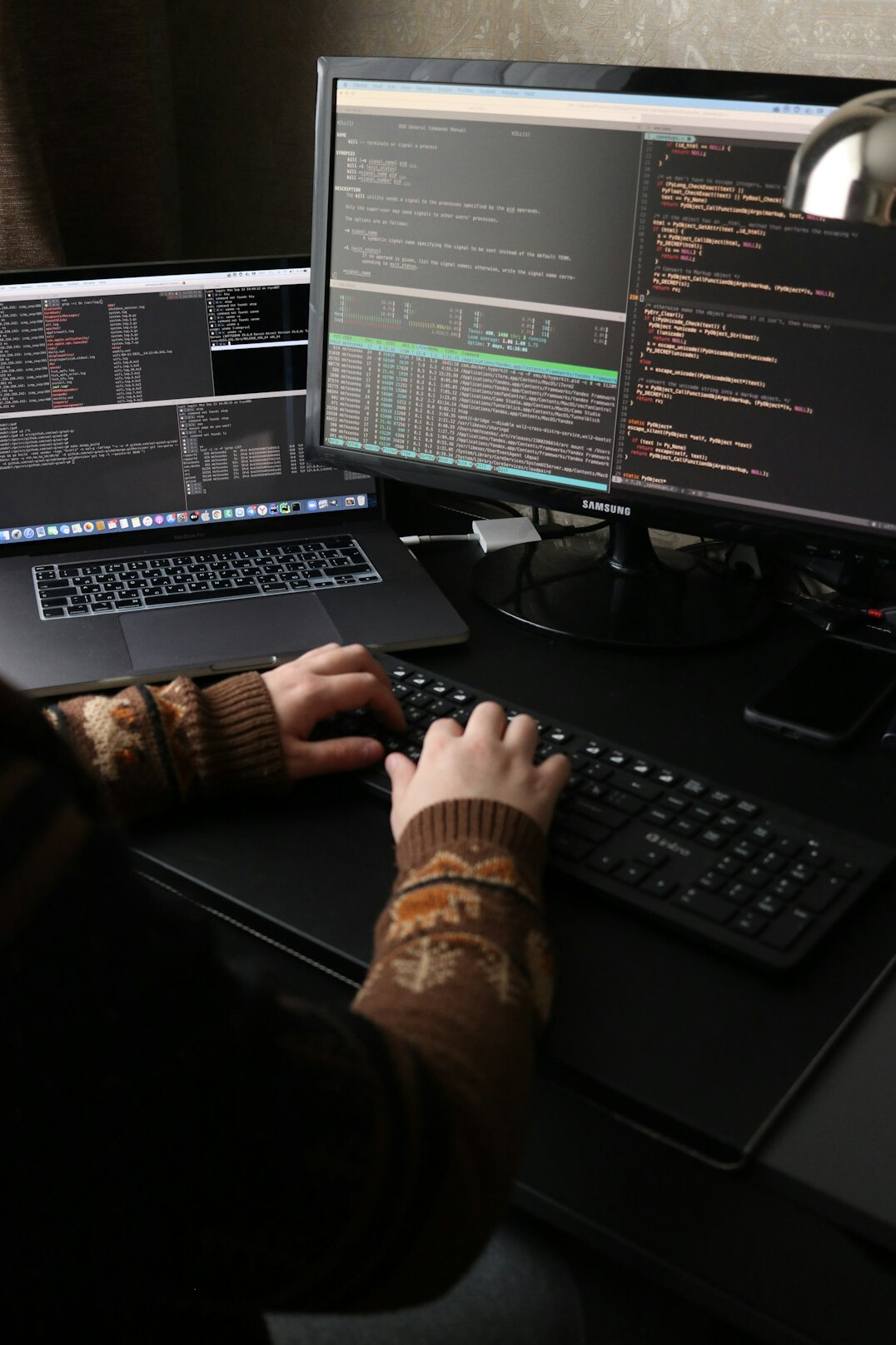
Flexibility matters too. Evening and weekend options fit around full-time jobs, while self-paced modules let advanced learners move ahead without waiting. The environment stays dynamic because materials update constantly to match current industry tools like modern JavaScript frameworks or cloud services.
Many participants notice improved confidence within the first month. They start contributing meaningfully to open source or side projects because the foundation feels solid. That momentum carries forward long after the course ends, turning initial curiosity into a lasting career path in tech.