
10 September 2026 · Sarah Mitchell
Unlock Coding Mastery Through Fun English Lessons.
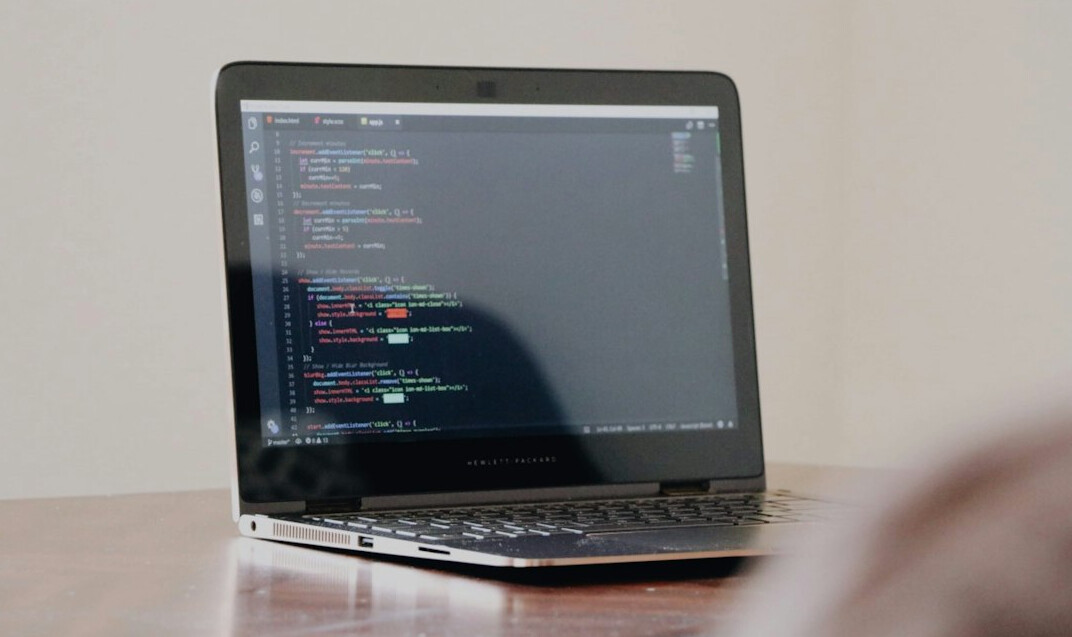
Learning to code can feel overwhelming at first, especially when the technical terms and instructions are all in English. Many students struggle not because the concepts are too hard, but because the language barrier slows everything down. At coursemixel we have seen how turning those English lessons into something enjoyable changes the whole experience. Students start to pick up vocabulary naturally while building real projects, and that combination builds both confidence and actual coding ability.
One of the biggest advantages comes from making the lessons feel less like traditional grammar drills and more like creative sessions. For example, instead of memorizing lists of words, learners might describe the steps in a simple game they are creating. They explain loops and variables in their own sentences, then test the code right away. This immediate feedback loop keeps motivation high and helps the new terms stick much better than any worksheet could.
Why Fun Matters More Than You Think
When lessons are designed around games, stories, or small apps that students actually want to finish, the brain stays engaged longer. Boredom is the enemy of retention, so we mix in light humor and relatable scenarios. A lesson about conditional statements might involve deciding what happens in a choose-your-own-adventure tale. Suddenly the English practice feels useful rather than forced, and the coding concepts become clearer through context.
Building Real Skills Step by Step
- Start with basic vocabulary tied to everyday coding actions like run, debug, and loop.
- Move into writing short explanations of each line of code in plain English.
- Practice reading documentation and error messages together as a group.
- End each session by sharing what was built and why it works.
These small habits add up quickly. Students who once hesitated to speak up in class begin to discuss their projects with ease. The English improves because it serves a clear purpose, and the code improves because the thinking behind it is now expressed clearly.

Seeing a student finish their first working app and then proudly explain it in English is always the highlight of our week.
Common Challenges and How We Handle Them
Many learners worry about making mistakes when they speak or write. We treat those moments as normal parts of the process. When a student mixes up similar sounding words, we gently correct them while celebrating the working code they just produced. Over time the fear fades because the focus stays on progress rather than perfection.
Another frequent issue is understanding fast spoken instructions during live sessions. To help, we provide short video summaries that students can replay at their own pace. The transcripts use simple language and highlight key terms, making review sessions productive instead of frustrating.
Long Term Benefits Beyond the Classroom
Once students feel comfortable coding and communicating in English, new opportunities appear. They can join online communities, read technical articles without translation tools, and even collaborate on open source projects. The combination of skills creates a strong foundation for careers in tech where English is often the main working language.

Parents and teachers often notice changes outside the lessons too. Kids who used to avoid English homework now read coding blogs for fun. Adults preparing for job interviews report feeling more relaxed when technical questions come up in English. The fun approach removes pressure and replaces it with curiosity.
Consistency plays a big role as well. Short daily practice sessions work better than long weekend cramming. We encourage students to spend fifteen minutes each evening tweaking a small piece of code and writing one sentence about what changed. Those tiny efforts compound into noticeable improvement within weeks.

In the end, unlocking coding mastery does not require dry textbooks or endless drills. It happens when English practice and programming projects support each other in a relaxed setting. Students leave our courses not only with working apps but with the language skills to keep growing on their own. That lasting combination is what makes the journey worthwhile.